Thinking about selling your Mt. Washington home but not sure when to list? Timing shapes your showings, days on market, and final sale price, so it is normal to want a clear plan. You also may be coordinating a purchase on Cincinnati’s East Side and trying to align everything with the school calendar. In this guide, you will learn the best seasonal windows to list, what to expect in each season, and a practical timeline that helps you move with confidence. Let’s dive in.
The quick answer: best months to list
For most Mt. Washington sellers, the strongest listing window is spring, roughly mid-March through June. That is when buyer traffic is highest and homes tend to go under contract faster. A secondary window often appears in early fall, especially September and October, when buyers are focused and inventory is a bit lighter.
Late fall and winter usually bring fewer buyers and longer days on market. You can still sell, and serious buyers do shop in the off season, but you should plan for a more measured pace and build in extra time.
Why timing matters in Mt. Washington
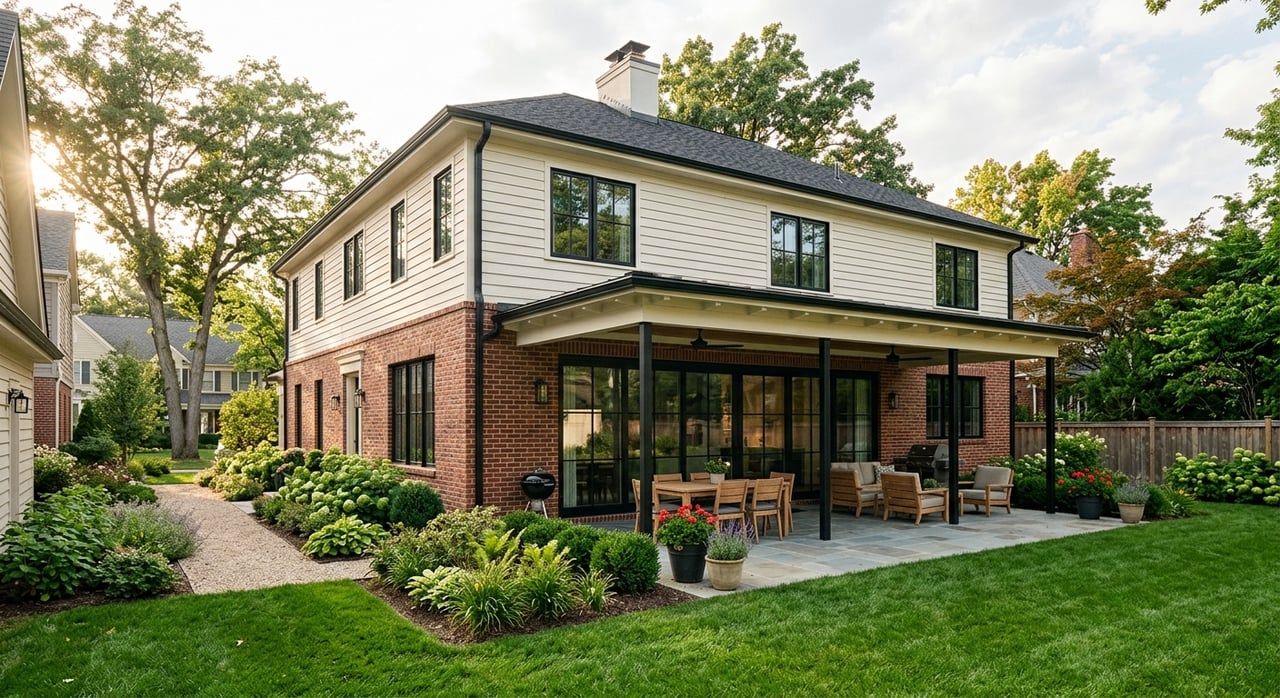
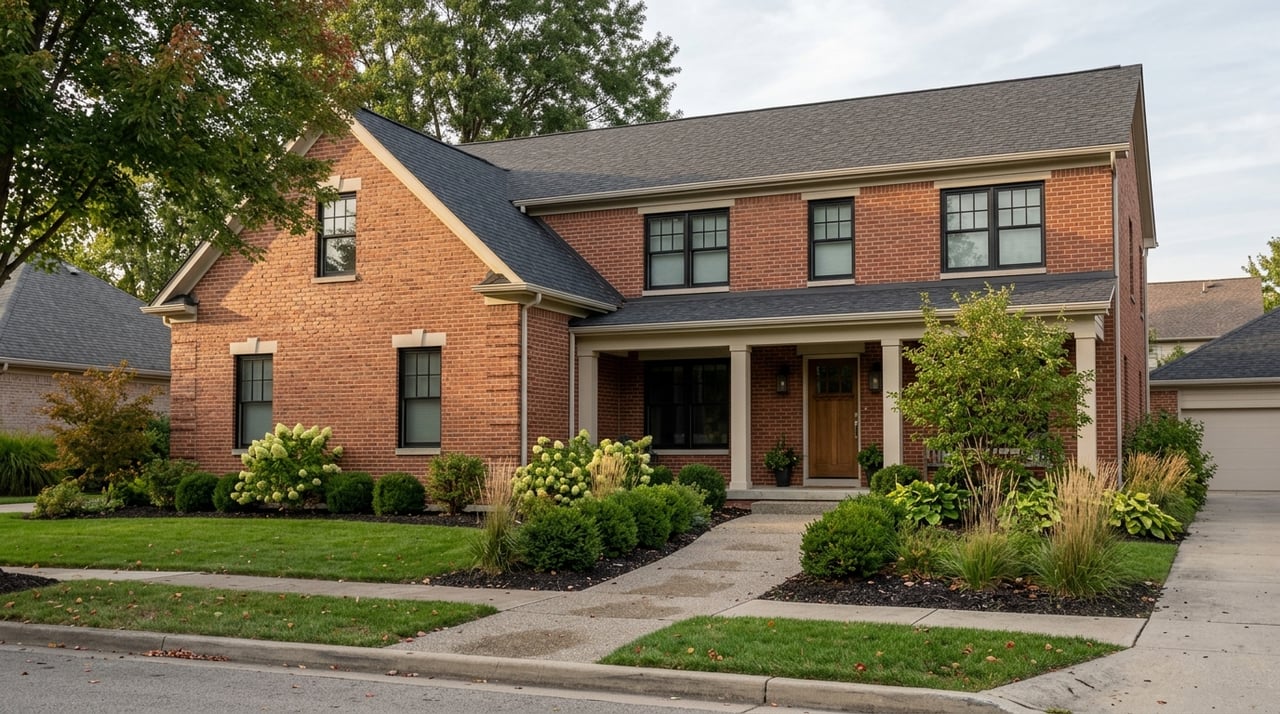
Seasonality affects how many buyers are looking, how quickly offers arrive, and how much competition you face from other listings. In spring, more listings hit the market, yet buyer demand also rises. In early fall, you may see fewer listings and motivated buyers who want to move before the holiday season. Weather and curb appeal matter too, since green lawns, fresh landscaping, and good light help your photos and showings.
If you are coordinating a purchase and sale, the calendar is even more important. Families often align closings with summer breaks or the start of a new school year. Planning your listing date, inspection period, and closing timeline upfront can save you stress later.
Season-by-season guide
Spring: mid-March through June
- What to expect: The largest buyer pool, more showings, and a higher chance of competitive interest. Homes tend to go under contract faster in this window.
- Pros: Strong demand, favorable list-to-sale dynamics, and great curb appeal with spring landscaping.
- Cons: More competing listings. You need smart pricing and polished preparation to stand out.
- Tips: Get professional photos as soon as trees and lawns green up. Price to the market on day one and launch with a full marketing plan to capture early momentum.
Summer: June through August
- What to expect: Many spring contracts close in early summer. Some buyers are still active, but vacations can slow weekday traffic.
- Pros: You can still secure a summer closing and align with move timing. Outdoor spaces show well.
- Cons: Slightly fewer buyers at times. Days on market can stretch if interest dips around holidays or heat waves.
- Tips: Keep pricing disciplined. Maintain lawns, mulch, and exterior touch-ups to keep curb appeal sharp in the heat.
Early fall: September and October
- What to expect: A smaller but focused buyer pool. Inventory can be leaner than spring, and many buyers want to close before the holidays.
- Pros: Less direct competition and motivated purchasers. Showings remain steady while weather cooperates.
- Cons: Not as many buyers as spring. Price sensitivity can be a factor.
- Tips: Refresh landscaping, update listing photos to capture fall light, and be prepared to respond promptly to well-qualified buyer interest.
Late fall and winter: November through February
- What to expect: Fewer showings and longer days on market on average. Buyers who are out often have clear needs and timelines.
- Pros: Less competition from other listings. Serious buyers can be decisive.
- Cons: A smaller buyer pool and potential seasonal discounts in some cases.
- Tips: Focus on warm, well-lit interiors. Price strategically and consider flexible terms to attract motivated buyers.
Move-up sellers: how to time your sale and purchase
Goal: move over summer
If you want a summer close, list by mid-April to mid-May. That timing balances peak buyer activity with a typical 30 to 60 day path from offer to close. It helps you line up inspections, appraisal, and your purchase on the other side without rushing.
Practical steps:
- Meet your agent 6 to 8 weeks before listing to set price guidance, prep, and marketing plans.
- Complete exterior cleanup and minor repairs when weather improves.
- Prepare purchase-side preapproval and shortlist target neighborhoods so you can shop as soon as your home goes under contract.
Goal: close before the new school year
If you need to close before school starts, a June or July list can still work. Expect faster negotiations and tighter schedules. Have your purchase plan and contingencies ready so you can act as soon as your sale reaches key milestones.
Practical steps:
- Discuss a rent-back option if you need more time between closings.
- Consider a bridge loan or home equity strategy if you must buy before you sell. Ask your lender about costs and requirements.
- Coordinate inspection timelines on both transactions to reduce overlap stress.
Goal: maximize price with flexible timing
If price is your top priority and your timing is flexible, spring is your best bet. Your strategy should emphasize early momentum. Price competitively at launch, highlight updates and maintenance, and prepare for quick buyer interest.
What buyers are doing in each season
- Spring: The buyer mix is largest, including many move-up families and first-time buyers. Showings per listing are often higher, and new listings see strong early traffic.
- Summer: Many buyers from spring are in escrow, though relocations and timeline-driven shoppers remain active. Weekday showings can soften around vacations.
- Early fall: Buyers tend to be focused. Some are wrapping up job moves or planning to settle before year-end.
- Winter: Fewer casual shoppers. Relocations and timeline-driven buyers remain in the market.
Across seasons, mortgage rates and affordability can shift buyer urgency. If rates dip, you may see faster activity. If rates rise, pricing and concessions become more important to keep deals together.
Prep, pricing, and marketing checklist
60 to 45 days before listing
- Walk the home with your agent to prioritize repairs, updates, and pre-list projects.
- Refresh paint in high-traffic areas, service HVAC, and address any safety items.
- Start exterior cleanup: gutters, power washing, trimming, fresh mulch.
30 days before listing
- Finalize pricing strategy with current comparable sales and active competition.
- Schedule professional photos and, if needed, a 3D or video tour.
- Organize important records: improvements list, utility averages, warranties, and disclosures.
Two weeks before listing
- Stage main rooms for photos: clear surfaces, add neutral textiles, and maximize natural light.
- Complete landscaping touches and seasonal flowers for curb appeal.
- Confirm showing instructions and communication plan so buyers and agents get quick responses.
Listing week
- Launch to the market with a strong first week strategy.
- Track showing feedback daily and adjust quickly if demand lags.
- Review early offers carefully, including financing type, inspection terms, and possession timing.
The local data we use to fine-tune timing
To dial in your exact listing week, you need neighborhood-level data for Mt. Washington, not only citywide averages. The most helpful metrics include:
- Days on market by month and list-to-sale price ratio by month
- New listings per month and active inventory levels
- Median list and sale prices by month over several years
- Frequency and timing of price reductions
We evaluate at least 3 to 5 years of monthly data to smooth out unusual periods. Comparing Mt. Washington to nearby East Side areas and to the Cincinnati metro helps confirm whether the neighborhood follows broader patterns or differs in key months. This approach lets you choose a launch date with confidence.
Ohio disclosures and common timelines
In Ohio, sellers typically complete a Residential Seller’s Property Disclosure. If your home was built before 1978, you will also provide lead-based paint disclosures. From contract to close, a 30 to 45 day window is common, which includes inspections, appraisal, title work, and final loan approval. Terms can vary by deal, so plan buffers around your key dates.
Popular contingency strategies include:
- A home sale contingency if you must sell before buying
- Bridge financing or a home equity solution if you prefer to buy first
- A short rent-back after closing if you need extra time to move
Your agent can help you weigh costs, risks, and negotiation leverage for each option based on current market conditions.
When selling off-peak makes sense
You do not have to wait for spring if your life timeline points elsewhere. Selling in late fall or winter can work well if you value less competition and you are comfortable with a longer marketing period. Some buyers shop year-round due to job changes, life events, or specific housing needs, and they can be highly motivated. With the right pricing, presentation, and terms, you can secure a solid outcome at any time of year.
Ready to plan your calendar?
If you are aiming for a summer move, targeting early fall buyers, or weighing an off-season strategy, you deserve a step-by-step plan tailored to your home and timeline. Let’s review your goals, look at recent Mt. Washington trends, and map a listing date that sets you up to win. Schedule your consultation with Deborah Long to get a data-informed plan and a concierge-level marketing rollout.
FAQs
What is the best month to sell a home in Mt. Washington?
- Spring months, especially mid-March through June, are typically strongest, with a secondary window in September and October.
How long will my home take to sell if I list in spring?
- Spring generally brings faster days on market compared to other seasons, though exact timing depends on pricing, condition, and current inventory.
Will I face more competition if I list in spring in Mt. Washington?
- Yes, more homes tend to list in spring, but buyer demand also rises, so smart pricing and standout marketing can offset the competition.
Can I sell in winter without losing money in Mt. Washington?
- Yes, motivated buyers shop year-round, though you may see longer days on market and should price strategically to meet the market.
How do I align my sale with the school calendar on Cincinnati’s East Side?
- List by mid-April to mid-May for a summer close, or consider a June or July listing if you need to close before the new school year.
What data should I review before choosing a listing date?
- Look at several years of monthly data for days on market, list-to-sale price ratio, median prices, new listings, and price reduction trends in Mt. Washington.