Is your Mariemont home ready for the buyers scrolling through listings today? You want to showcase the village charm you love, avoid surprise repairs, and launch with confidence in a small, high‑attention market. In this guide, you will get a simple 6 to 8 week plan, smart update ideas, staging and photography tips, historic‑district checks, and a clear path to pricing and marketing. Let’s dive in.
Who is buying in Mariemont today
Mariemont attracts buyers who value walkability, architectural character, and an easy commute into Cincinnati. The village was planned in the 1920s as an English‑inspired garden suburb, and that intentional design still guides interest today. Tree‑lined streets, village square conveniences, and parks create a lifestyle pitch that stands out.
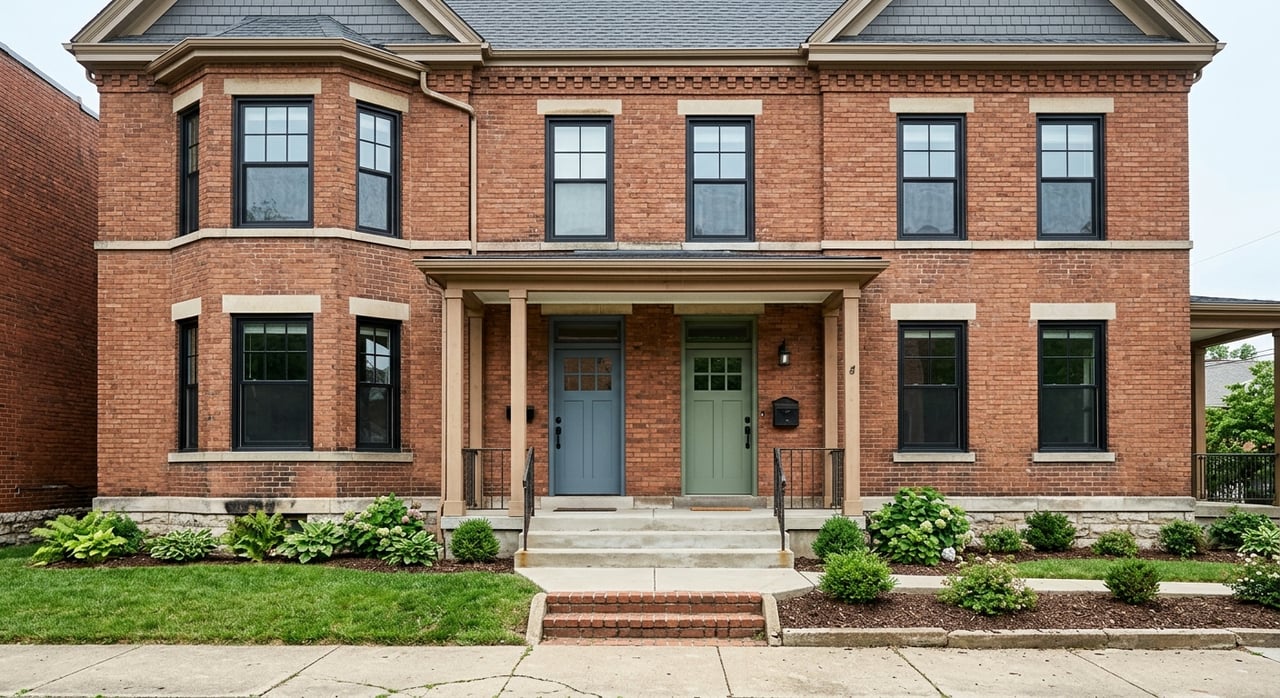
Many buyers also consider district programs and options from Mariemont City Schools. Others focus on commuting distance, since the village sits about 8 to 12 miles east of downtown along US‑50. Historic‑home enthusiasts are drawn to the Tudor Revival, Colonial Revival, and Arts & Crafts details that appear throughout the village.
Quick market snapshot
Recent platform snapshots help set context, but Mariemont’s small sales volume can swing month to month. Always verify pricing with a fresh CMA.
Because each platform uses different data windows and Mariemont has low monthly sales counts, treat these numbers as approximate. The best path is a local, up‑to‑the‑minute analysis matched to your home’s style, condition, and block.
Your 6 to 8 week prep plan
Use this simple timeline to control cost, reduce stress, and present the village lifestyle buyers want.
Weeks 6–8: Assess and plan
Start with a quick pre‑listing check so you are not negotiating repairs later. Tackle safety and function first.
- Inspect or have a handyman review: roof, gutters, downspouts, HVAC service, water heater, visible plumbing, electrical hazards, chimney and flashing, window and door weather‑stripping, grading and drainage.
- Fix safety and major function items before photos. Disclose any known defects you choose not to repair.
- Ask your agent to run a comp set by style and condition for the past 6 to 12 months. In small markets, price ceilings can limit what major upgrades return.
- For bigger decisions, lean on the 2025 Cost vs Value report to see which projects have historically stronger resale ROI. Exterior curb‑appeal actions often perform well.
Weeks 4–6: Make high‑impact updates
Aim for clean, bright, and neutral. Small details elevate photos and in‑person impressions.
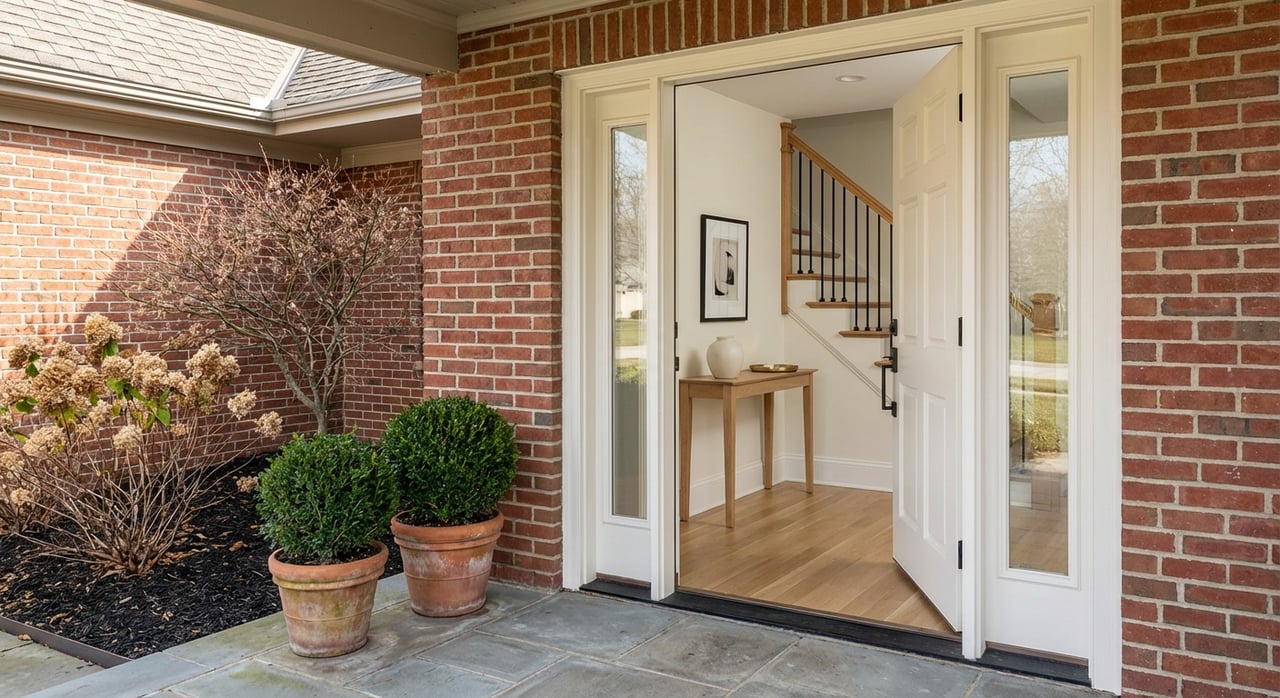
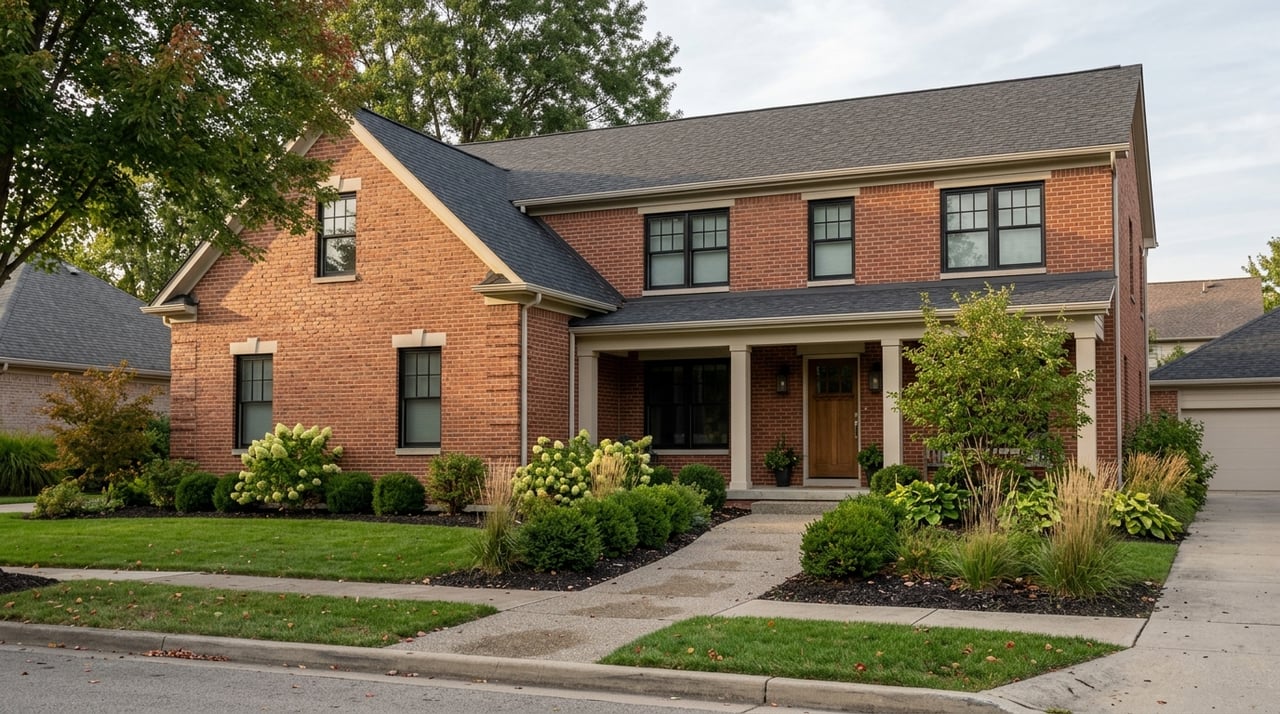
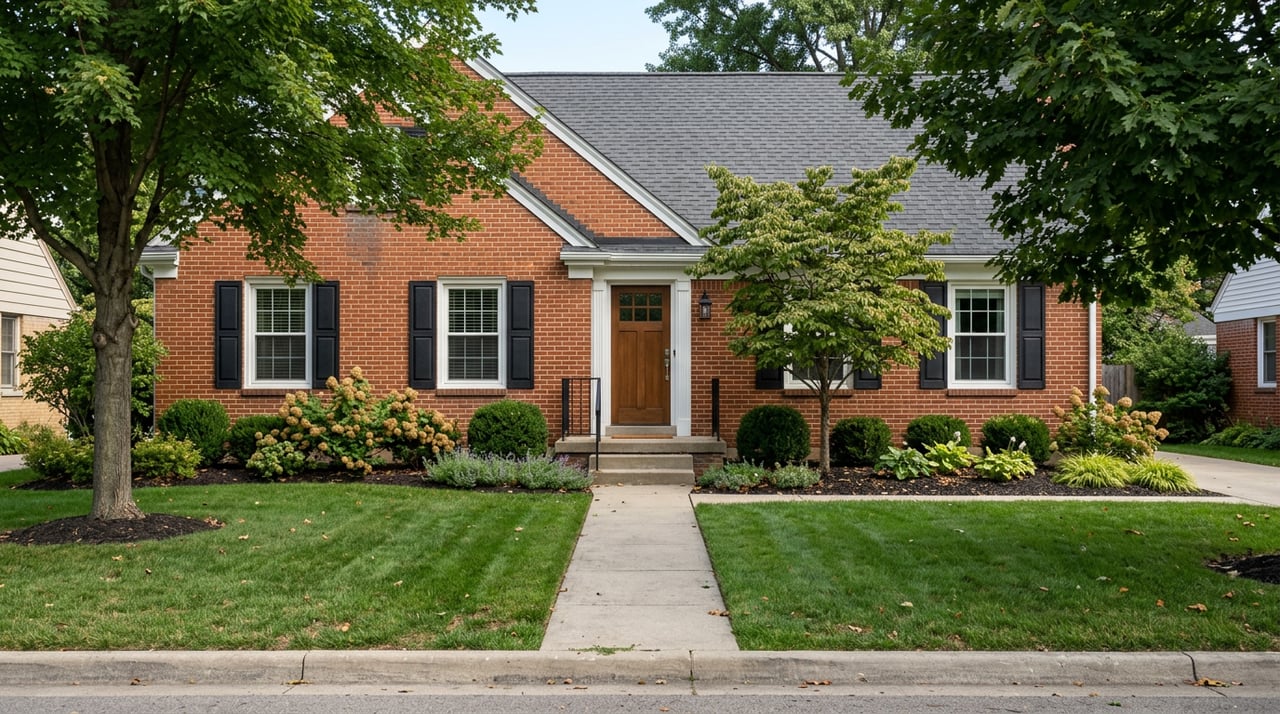
- Curb appeal: refresh mulch, trim shrubs, edge and seed bare spots, power wash walks and porch, paint or clean the front door, replace tarnished door hardware.
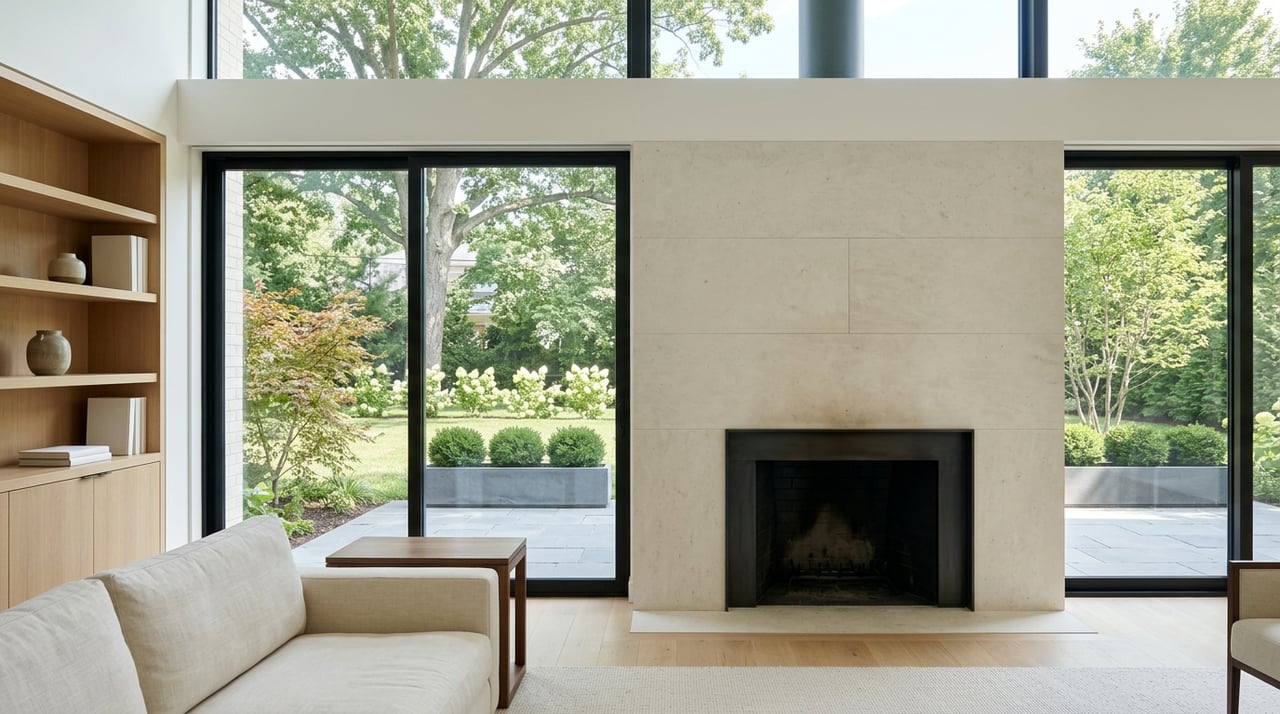
- Interior refresh: neutral paint, repaired trim, cleaned or refinished floors, updated light fixtures, modern switch plates, and tidy closets. Remove heavy window treatments to boost natural light.
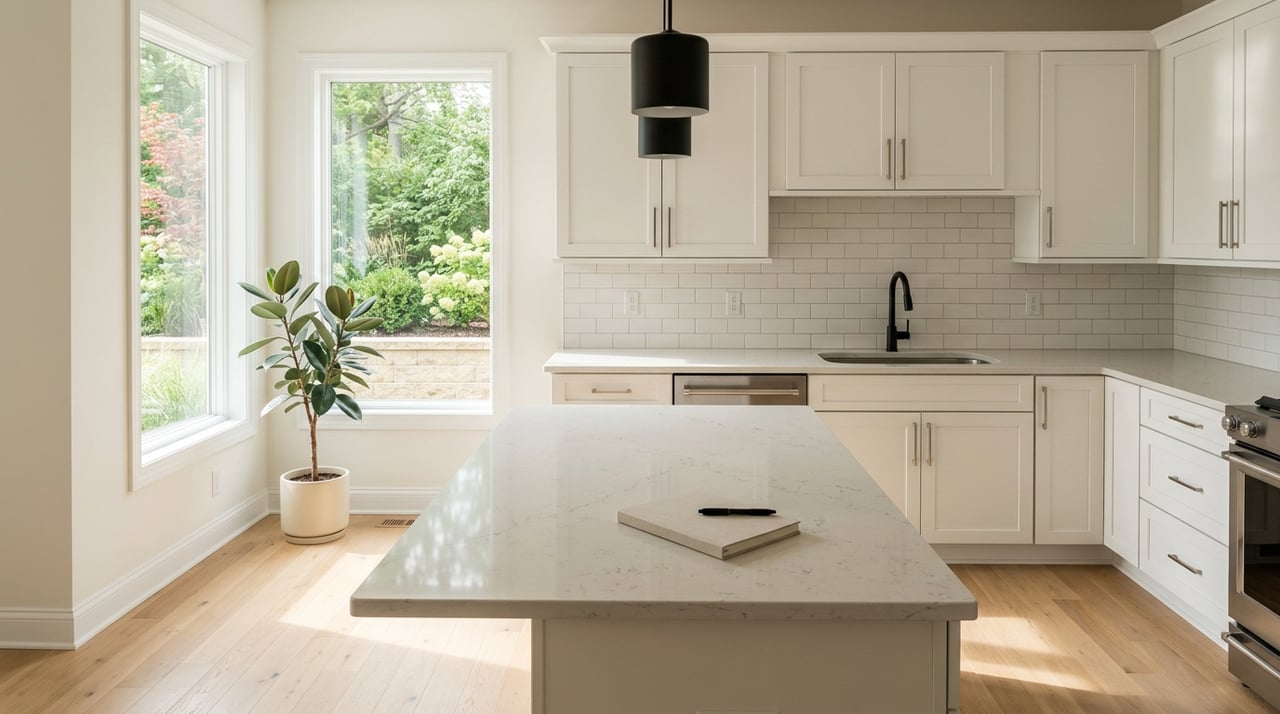
- Kitchens and baths: choose midrange updates that read “move‑in ready.” Consider cabinet refacing, updated counters, hardware, and new faucets over full gut remodels unless comps support it.
Weeks 3–4: Stage for buyer impact
Buyers shop with their eyes. According to NAR’s 2025 home staging report, many agents report staging can reduce time on market, and a meaningful share see higher offers when key rooms are staged.
- Prioritize rooms: living room, kitchen, and the primary bedroom carry the most weight. Define traffic flow and scale with right‑sized furniture.
- Options by budget: DIY edits with your agent’s guidance, targeted professional staging for main rooms, or full staging for vacant homes.
- Typical costs: per HomeGuide’s cost guide, whole‑home staging often runs in the low to mid thousands for the first month, per‑room staging commonly ranges from $300 to $700, and virtual staging per image can range from about $25 to $150.
Week 2: Order pro photos and digital assets
Schedule photography after staging is complete. Quality visuals help convert online views into showings.
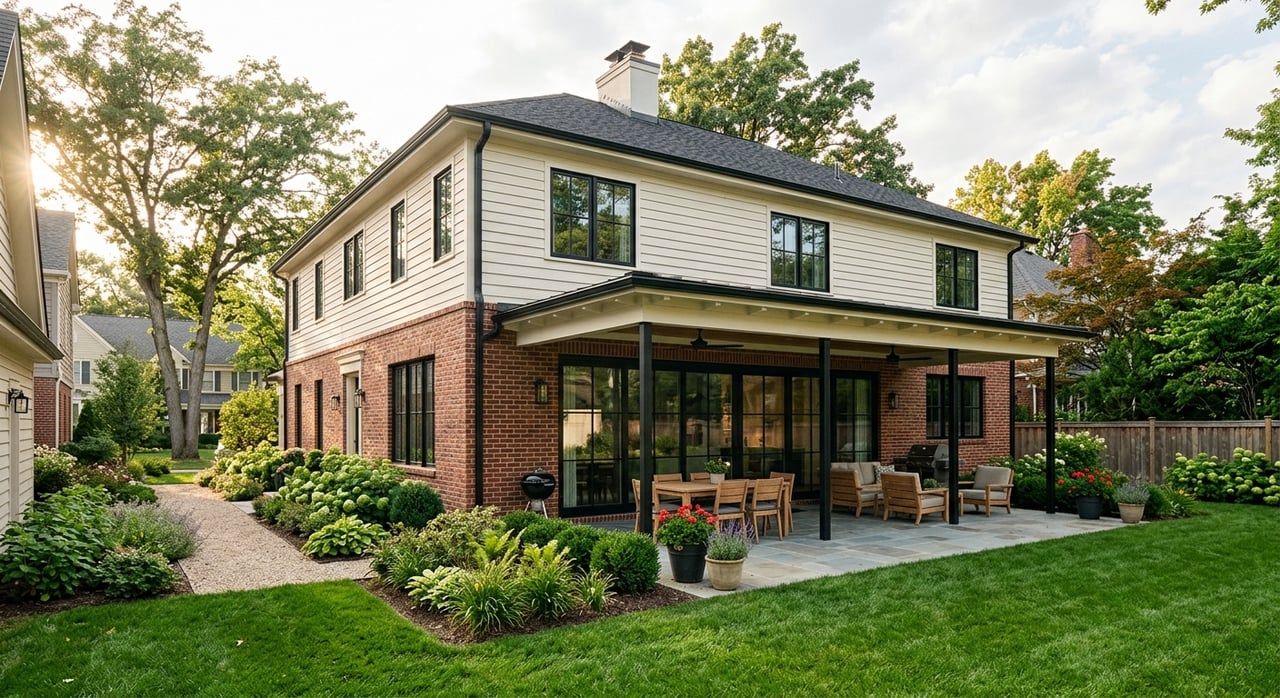
- What to request: bright, well‑composed interiors; twilight exterior shots for curb appeal; drone only if the lot, nearby greenspace, or river bluff views add value; and a floor plan or 3D tour if your layout is unique.
- Homeowner checklist for photo day: declutter, hide cords and trash bins, store pet gear, remove small rugs that hide floors, clear counters to one simple accent, open blinds, turn on all lights, park cars off‑site, tidy the yard and porch.
Week 1: Price and launch with purpose
In a small market, tight pricing matters. A small gap can mean longer days on market.
- Pricing strategy: anchor to the freshest local comps and your home’s condition. Consider an initial price that attracts early showings if inventory is thin in your band.
- Marketing package: full MLS syndication, professional photos, a floor plan or 3D tour, a polished feature sheet, and targeted social ads aimed at likely buyer profiles, such as commuters to downtown.
Historic‑district checks before you update
If your home is in the historic district or has protected features, confirm rules before you change anything visible from the street. Mariemont uses an Architectural Review Board process, and many exterior changes need a Certificate of Appropriateness.
- Start with the village code: review Mariemont’s Architectural Review Board guidelines and contact the building office early if you plan exterior paint changes, new siding, fences, additions, or large landscape structures. Reviews can affect timelines.
- Preserve character: the Secretary of the Interior’s Rehabilitation Standards emphasize repair over replacement. When replacement is needed, use compatible materials and reversible methods when possible.
- Plan your listing timing with these steps in mind. An agent who knows Mariemont’s process can help you avoid delays and keep your timeline on track.
Showings that sell the Mariemont lifestyle
You are not only selling square footage. You are also helping buyers picture daily life in the village.
- Prepare a simple home binder: key updates and service records, ages of major systems, any permits or approvals, and utility averages if available.
- Create a neighborhood sheet: walking times to the square, park access and seasonal highlights like the carillon, commute notes, and links to Mariemont City Schools.
- Keep showings easy: clean daily, secure valuables, set a flexible showing window, and aim for light, neutral scents or none at all.
Where your agent adds the most value
A strong Mariemont listing starts with precise pricing, a curated presentation, and local know‑how.
- Pricing and comps: a local agent understands how one high‑end sale can skew monthly stats and which blocks and styles command premiums.
- Historic approvals: an experienced agent will flag ARB triggers, help you plan work in the right order, and connect you with contractors familiar with the village’s process.
- Polished presentation: coordinated staging, photography, and floor plans that highlight authentic architectural details without over‑styling.
- Marketing and negotiation: targeted digital reach, organized showings, and clear strategies for inspection, appraisal, and multiple‑offer scenarios.
Ready to prepare your Mariemont home with a clear plan and premium marketing? Reach out to Deborah Long for a free, tailored consultation and a pricing analysis built on current Mariemont comps.
FAQs
What updates give the best ROI before selling in Mariemont?
- Exterior curb appeal, neutral interior paint, lighting swaps, and midrange kitchen or bath refreshes often return well according to the 2025 Cost vs Value report.
How long should I plan to prepare a historic Mariemont home?
- Plan 6 to 8 weeks, and build in extra time if you need an Architectural Review Board approval per the village code.
Do I need approval for exterior changes before listing?
- Many visible exterior changes require a Certificate of Appropriateness, so check Mariemont’s ARB guidelines early to avoid delays.
What does professional staging typically cost?
- Costs vary, but per HomeGuide’s cost guide, whole‑home staging often runs in the low to mid thousands for the first month, with per‑room options and virtual staging as budget‑friendly alternatives.
How should I price my Mariemont home in a small market?
- Use the freshest local comps and condition‑based adjustments, and treat platform snapshots as approximate given low monthly sales; your agent’s CMA is the best guide.