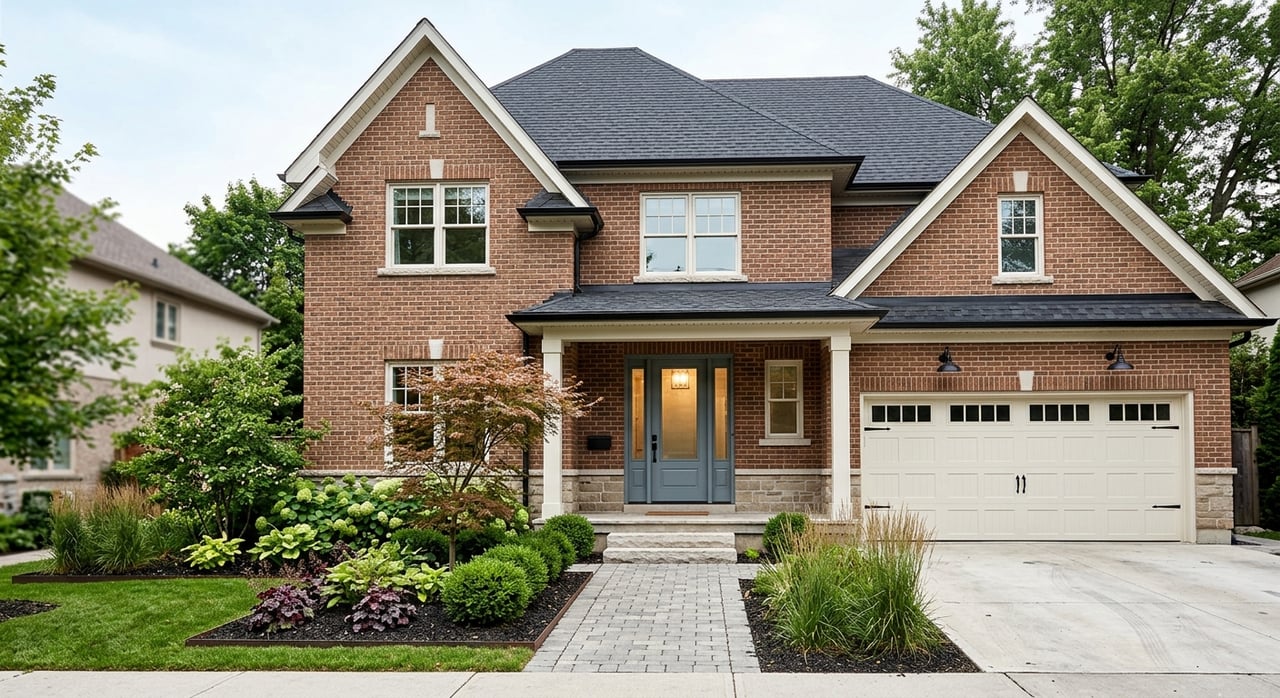
Moving Up To A Larger Home In Mt Washington
June 11, 2026
June 11, 2026
Wondering if you can get more space without giving up Mt. Washington? You are not alone. Many homeowners reach a point where the current house no longer fits the way they live, but the neighborhood still does. This guide will help you understand what a move-up search can look like in Mt. Washington, how today’s market affects your options, and how to plan the sale and purchase with less stress. Let’s dive in.
Mt. Washington continues to appeal to homeowners who want to stay close to the neighborhood amenities they already enjoy. Stanbery Park offers 130 acres of trails, woods, picnic space, and a sledding hill, and the Mt. Washington Recreation Center includes a walking track, gym space, ball fields, tennis courts, and a lap pool.
That local lifestyle matters when you start thinking about your next home. If you already feel connected to the area, moving up within Mt. Washington can be a smart way to gain space while staying near the places that support your day-to-day routine.
There is also a practical reason this topic comes up so often here. The City of Cincinnati says the last neighborhood-specific plan for Mt. Washington was adopted in 2007, and that plan noted a large share of older, smaller homes developed in the mid-1900s. For many long-term owners, the goal is not to leave the neighborhood. It is to find a home with more square footage, a better layout, or a larger lot.
If you are moving up, you need a realistic picture of current pricing and competition. The clearest takeaway from recent market sources is that Mt. Washington home values are still landing in the mid-$200,000s, and well-priced homes can move quickly.
Redfin reported a median sale price of $277,397 over the three months ending in April 2026, with homes taking an average of 39 days to sell. Redfin also described the area as very competitive and noted that many homes receive multiple offers.
Realtor.com showed 22 active listings, a median list price of about $265,000, and a median days-on-market figure of 20. Zillow’s home value index placed the average Mt. Washington home value at $274,887 as of April 30, 2026, up 1.6% from the prior year.
These sources use different methods and time frames, so the exact numbers will vary. Still, the pattern is useful. You are likely shopping in a market where inventory is limited, prices remain relatively steady in the mid-$200,000s, and strong homes can attract quick attention.
A move-up search in Mt. Washington often looks different than it would in an area with lots of new construction. The neighborhood’s housing stock is diverse, but much of it was built in the mid-1900s, according to the 2007 Mt. Washington Comprehensive Plan.
That matters because your next home may not be a brand-new build in a large subdivision. In many cases, the better move-up opportunities come from renovated older homes, homes with additions, or properties on larger lots that come on the market less often.
This can actually work in your favor if you know what to watch for. A house may offer more usable living space through an updated floor plan, a finished lower level, or expanded common areas, even if the exterior footprint does not look dramatically larger at first glance.
When inventory is tight, it helps to define what “larger” means to you before you start touring homes. More square footage is one option, but layout and lot size can matter just as much.
You may want to focus on:
If you are clear on your true needs, you are less likely to overpay for space that does not solve the actual problem. In Mt. Washington, that kind of clarity can make your search more efficient.
For most homeowners moving up, selling first is the more conservative path. The CFPB says people who want to move normally try to sell their current home before buying another one.
That approach can lower your financial risk. You have a clearer idea of your available equity, your monthly payment on the next home, and how much overlap you may need to manage.
Buying first can still make sense in some situations, but it requires more planning. If you purchase before your current home sells, you may be carrying two housing payments for a period of time, and that can create pressure if your existing home is not fully market-ready.
Because Mt. Washington can be competitive, timing your move takes more than watching listings. You need to prepare for both sides of the transaction at once.
If your current home is likely to sell quickly, you may have a better chance of making a strong offer on the next property. On the other hand, if your home needs updates, decluttering, or pricing adjustments before listing, that prep time should be part of your plan from the beginning.
This is where a concierge-style approach can make a real difference. When you understand your likely sale price, expected market time, and the type of move-up inventory available, you can make decisions with more confidence and less guesswork.
In a competitive market, it can be tempting to strip away protections just to win. That is usually not the best move when you are already balancing a sale and a purchase.
The CFPB recommends making your purchase offer and sales contract contingent on financing and a satisfactory inspection. Those contingencies help protect you if the loan does not come together as expected or if the home inspection reveals issues you are not prepared to take on.
That does not mean your offer has to feel weak. It means your strategy should be strong, realistic, and aligned with your finances and timeline.
Sometimes the right next house appears before your current home has sold. In that case, bridge financing may help cover the timing gap, but it should be used carefully.
The research shows bridge or swing loans are temporary financing. Fannie Mae guidance says the lender must document your ability to carry your current home, your new home, and the bridge loan, and the bridge loan cannot be cross-collateralized against the new property.
In practical terms, bridge financing tends to make the most sense when:
This is not a tool to use casually. It can solve a real timing problem, but only if the numbers and the marketability of your current home support it.
If your goal is to move up, your current home is part of the strategy. In Mt. Washington, where many homes come from the mid-1900s, presentation and pricing can strongly influence how quickly your property attracts buyers.
That starts with the basics. Clean, decluttered rooms, simple repairs, and a plan for showing the home well can make it easier for buyers to picture the value.
It also helps to understand how your home fits the local housing stock. Some buyers are specifically looking for the character and layout common in older Mt. Washington homes, while others are comparing renovated options and prioritizing turnkey condition. Positioning your home correctly from the start is key.
If you want more space and want to stay in Mt. Washington, the process usually works best when you treat it as one coordinated plan instead of two separate transactions. Your sale, your purchase, your financing, and your timing all affect each other.
A solid plan often includes these steps:
With the right preparation, moving up does not have to feel chaotic. It can be a thoughtful next step that lets you stay in a neighborhood you know while finding a home that better fits your life now.
If you are weighing a move-up sale and purchase in Mt. Washington, working with a local expert can help you map out the timing, pricing, and search strategy with less stress. Reach out to Deborah Long to schedule a free consultation.
Stay up to date on the latest real estate trends.
Let Debbie Long guide you through one of life’s biggest decisions with clarity and confidence. From initial consultation to closing day, Debbie’s tailored approach ensures your real estate experience is as smooth and rewarding as possible.