Living In Walnut Hills, Cincinnati: Everyday Neighborhood Life
June 4, 2026
June 4, 2026
Looking for a Cincinnati neighborhood that feels connected, historic, and active in everyday life? Walnut Hills stands out because it blends longtime character with visible reinvestment, local gathering places, and easy access to major parts of the city. If you are trying to picture what daily living here really feels like, this guide will walk you through the basics of Walnut Hills life, from parks and libraries to housing and getting around. Let’s dive in.
Walnut Hills is one of Cincinnati’s oldest hilltop neighborhoods, and that history still shapes the way it feels today. The neighborhood is described by its official community site as vibrant, historic, and evolving, with about 6,000 residents.
You will find a mix of renters, homeowners, families, students, artists, and entrepreneurs here. That range contributes to a neighborhood feel that is active and layered rather than one-note.
Walnut Hills also has a long relationship with the city itself. It was annexed into Cincinnati in stages between 1850 and 1873, and in 2013 it adopted form-based code to help guide mixed-use growth while preserving historic character.
For many people, neighborhood life comes down to the places they actually use each week. In Walnut Hills, everyday anchors include the Walnut Hills Branch Library, Bush Recreation Center, Five Points, community gardens, pocket parks, the Harriet Beecher Stowe House, and nearby Eden Park.
These are not just landmarks on a map. They help shape how the neighborhood functions day to day, giving residents places to read, meet, exercise, gather, and spend time outdoors.
The Walnut Hills Branch Library is a great example of that mix of old and new. It reopened after renovation in October 2022 with full accessibility, study and meeting rooms, charging stations, Wi-Fi, and parking, while still keeping historic elements from its original 1906 Carnegie branch design.
One of Walnut Hills’ defining features is the way historic buildings remain part of modern neighborhood life. Local historic landmarks in the area include the Baldwin Piano Building, the Manse Hotel and Annex, and the Williams YMCA.
That historic fabric now sits alongside newer investment and redevelopment. According to the Walnut Hills Redevelopment Foundation’s 2024 year-in-review, the business district includes a growing mix of housing price ranges and retail storefronts, with projects such as Peebles Apartments, Paramount Launch, and Thatcher Flats adding to the neighborhood landscape.
The scale of reinvestment is significant. The same 2024 report states that more than $200 million has been invested since the 2016 reinvestment plan, creating nearly 1,000 residential units across the neighborhood.
For you as a buyer or future resident, that means Walnut Hills is not frozen in time. It is a neighborhood where historic identity and ongoing change are both visible in the built environment.
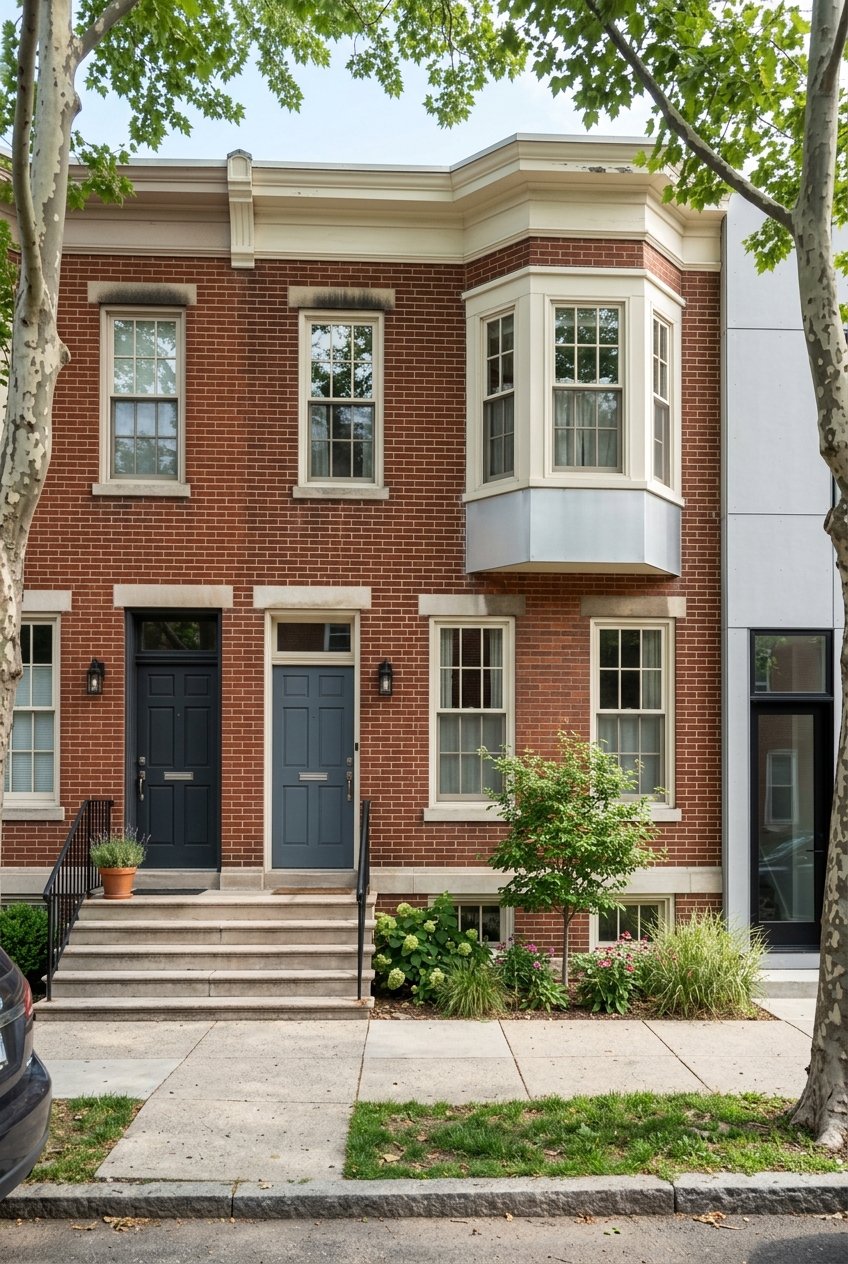
Walnut Hills offers a varied housing mix rather than a single style or price point. The neighborhood includes historic homes, landmark buildings, apartments, and newer infill or mixed-use residential projects.
That variety can appeal to different types of buyers and residents. Some people are drawn to older architecture and established streetscapes, while others prefer newer spaces tied to mixed-use development and updated amenities.
Because the neighborhood includes both older structures and recent projects, your home search in Walnut Hills may feel more block-by-block than cookie-cutter. That is one reason local guidance can be especially helpful when you are comparing options.
If outdoor access matters to you, Walnut Hills benefits from being close to one of Cincinnati’s signature parks. Eden Park sits between East Walnut Hills and Mt. Adams and includes walking paths, gardens, overlooks, public art, Mirror Lake, the Cincinnati Art Museum, the Cincinnati Playhouse in the Park, and Krohn Conservatory.
That kind of nearby park access adds a lot to day-to-day living. Whether you want a scenic walk, a quick reset after work, or a weekend outing, Eden Park is part of the broader Walnut Hills lifestyle.
Within the neighborhood itself, community gardens and pocket parks also play a role in daily life. The Walnut Hills Redevelopment Foundation reports a nine-garden urban agriculture network and a Friday healthy harvest mobile market, both of which add to the neighborhood’s local, community-based feel.
Walnut Hills has a visible commercial corridor that supports both convenience and neighborhood identity. The Walnut Hills Business Group describes the district as home to bars and restaurants, live music venues, nonprofits, artist studios, wine shops, boutiques, and service businesses.
That mix matters because it gives the neighborhood an active street presence. It also means errands, dining, and community life often happen in the same shared spaces.
Five Points Alley is another well-used gathering space mentioned in the 2024 neighborhood report. The annual Peebles Corner Festival also brings live music, art, food trucks, and local vendors into the street, reinforcing the neighborhood’s event-oriented character.
If you want a neighborhood where community life is visible rather than hidden behind closed doors, Walnut Hills offers that kind of energy. Local business activity and civic life are closely tied here.
Walnut Hills is about two miles above downtown Cincinnati, which helps explain its city-connected feel. The neighborhood profile from the city rates transit accessibility as excellent and walkability as above average to most walkable.
That matters if you value shorter city trips over a more separated suburban layout. Walnut Hills is structured around access to downtown, Midtown, and the University area, with active commercial nodes on main corridors and residential streets nearby.
Transportation improvements are also part of the neighborhood story. The Gilbert Avenue Complete Street Project is designed to calm traffic, add protected bike lanes, and shorten pedestrian crossings, and Metro says a new Walnut Hills transit center is planned on Gilbert Avenue.
For everyday living, that points to a practical advantage. You can expect a neighborhood shaped by connection, movement, and access rather than isolation.
Walnut Hills has a strong civic presence, and that contributes to how the neighborhood feels over time. The Walnut Hills Area Council is city-recognized and holds regular meetings, while the neighborhood calendar and festival schedule reflect ongoing local activity.
This kind of civic structure can help a neighborhood stay engaged as it changes. It also gives residents regular ways to stay informed about what is happening locally.
Combined with business group activity, public gathering spaces, and neighborhood events, this creates a visible sense of identity. Walnut Hills does not just function as a place to live. It also functions as a place where community participation is part of the neighborhood rhythm.
The core appeal of Walnut Hills is fairly clear. It offers urban convenience, historic character, nearby park access, active commercial areas, and a neighborhood identity shaped by reinvestment and community organizations.
For some buyers, the draw will be the architecture and history. For others, it will be the access to downtown and other major Cincinnati destinations.
For many, it is the combination that stands out most. Walnut Hills offers a lifestyle that feels established and evolving at the same time, which is not always easy to find.
If you are considering a move in or around Cincinnati, understanding these neighborhood details can help you compare Walnut Hills more clearly with other city neighborhoods. When you want a hyperlocal perspective on how Walnut Hills fits your goals, Deborah Long can help you navigate the search with clear guidance and concierge-level service.
Stay up to date on the latest real estate trends.
Let Debbie Long guide you through one of life’s biggest decisions with clarity and confidence. From initial consultation to closing day, Debbie’s tailored approach ensures your real estate experience is as smooth and rewarding as possible.